Home / Shipping
Shipping & Handling
Two lanes move everything: air freight for live product, set-point reefer containers for frozen. Behind them, two processing routes and one non-negotiable: an unbroken, documented cold chain.
LIVE → AIRFROZEN → REEFERCOLD CHAIN DOCUMENTED
Shipping seafood to China is a solved problem, in the sense that the lanes exist, the equipment is standard and the services are scheduled. What is not automatic is arriving in selling condition, and that is decided long before the ocean: at the moment of processing, at the packing table, and at every handoff in between.
For anyone looking to sell fish to China from Canada, the physical question comes down to two decisions. First, where the product is processed: at sea on a freezer vessel, which locks quality at the moment of harvest and produces the frozen-at-sea grades that sell to the top of the market, or onshore at a plant, which delivers the exact form and grade on the buyer's spec sheet. Second, which lane it travels: a set-point reefer container on scheduled ocean services, the workhorse for frozen product, or air freight for live lobster, crab and geoduck, where vigorous arrival is the product itself. Reefer containers reach any major Chinese port, so routing follows the buyer, not geography.
What goes wrong is nearly always a break in the chain rather than a failure of the lane: a warm dwell on a dock, a container stuffed slow, a weak animal packed for a flight it cannot survive, paperwork that disagrees with the load and holds a cold container in a hot queue. A temperature excursion can cost acceptance, not just quality, and a rejected container is a season's margin gone. The discipline that prevents all of it is knowable and plannable.
Our role covers the whole chain: we agree the format and grading spec with the buyer, aggregate supply from multiple harvesters and plants to container scale, book the equipment or the air lane, plan the stuffing or packing, and prepare the documentation that travels with the load. Payment is secured before product leaves the dock and our fee is a success-based commission, so the shipping risk sits on our side of the table. You land, process and pack to spec; the lane is our problem.
Handling map
| Your product | Route | Why the buyer wants it that way |
|---|---|---|
| Live lobster, geoduck, Dungeness, fresh uni | Live-hold + air freight | The live premium: vigorous arrival is the product |
| Deep-water groundfish (turbot, flatfish) | Frozen at sea → reefer | Quality locked at harvest; consistency for reprocessing |
| Snow crab sections, fillets, roe, sea cucumber | Onshore processing → reefer | Exact form and grade to the buyer's spec sheet |
The four deep-dives
Pick the page that matches your product
Each page covers one link in the chain: how it works, what it means for your operation, what we handle and what stays with you.
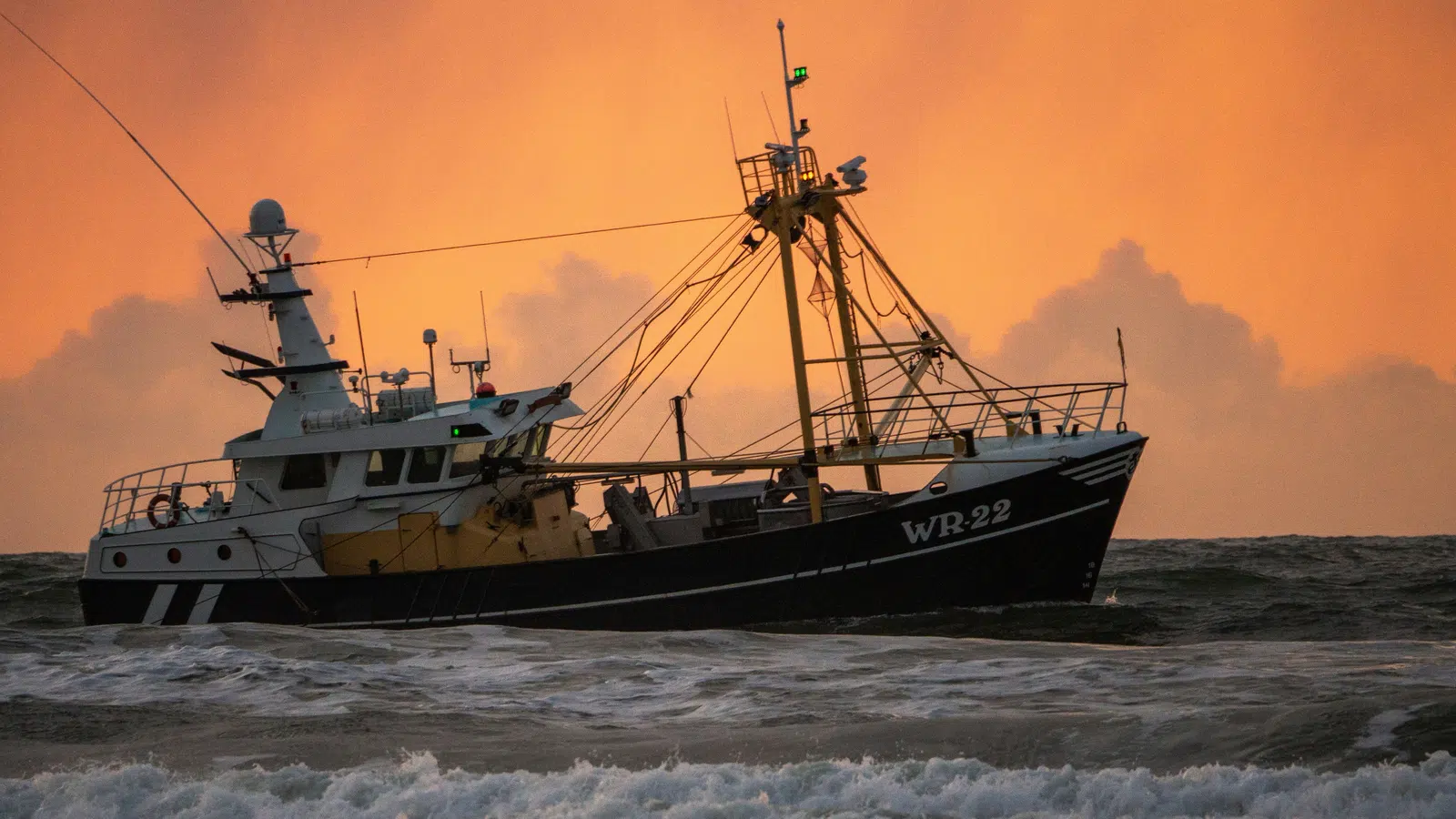
At-Sea Processing
Frozen-at-sea groundfish is a quality tier of its own in China. How the offshore grades earn the top of the market, and how the registration pathway works for vessels.
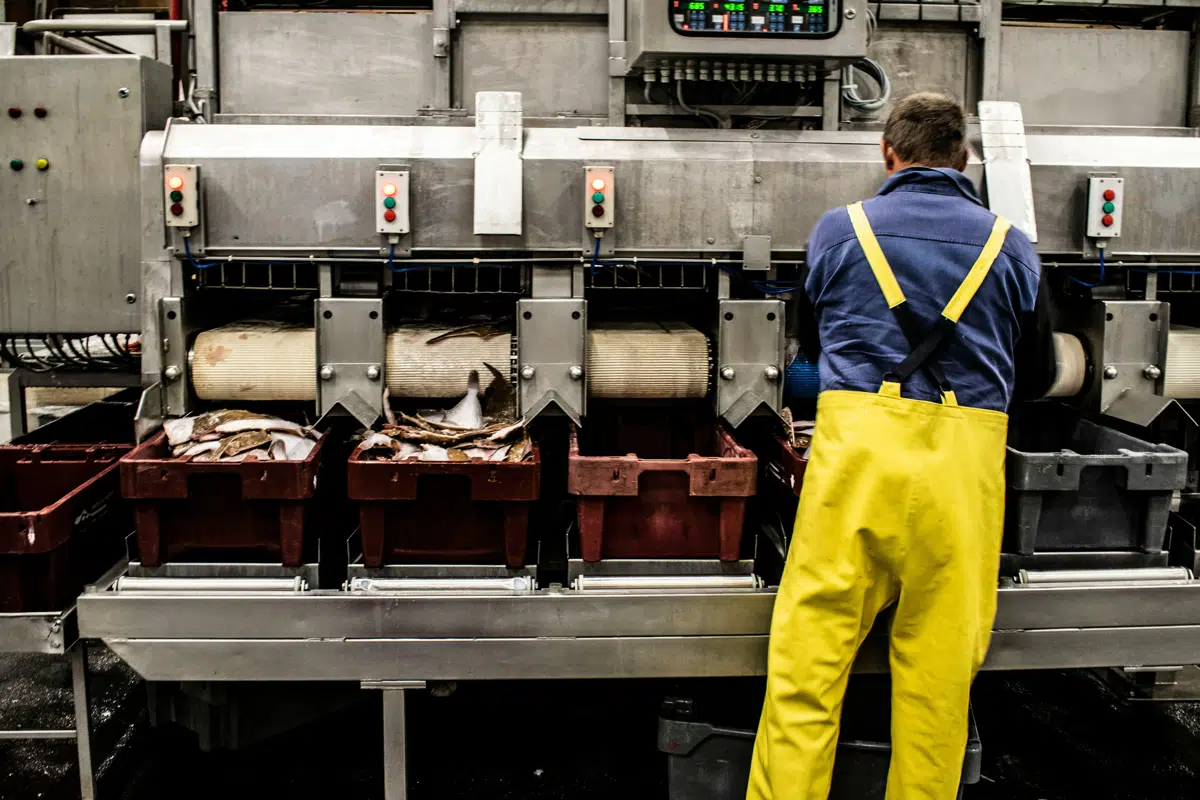
Onshore Processing
The shore plant is where the buyer's spec gets met or missed. Product form, grading, packaging marks and the registration status that decides what can legally ship.
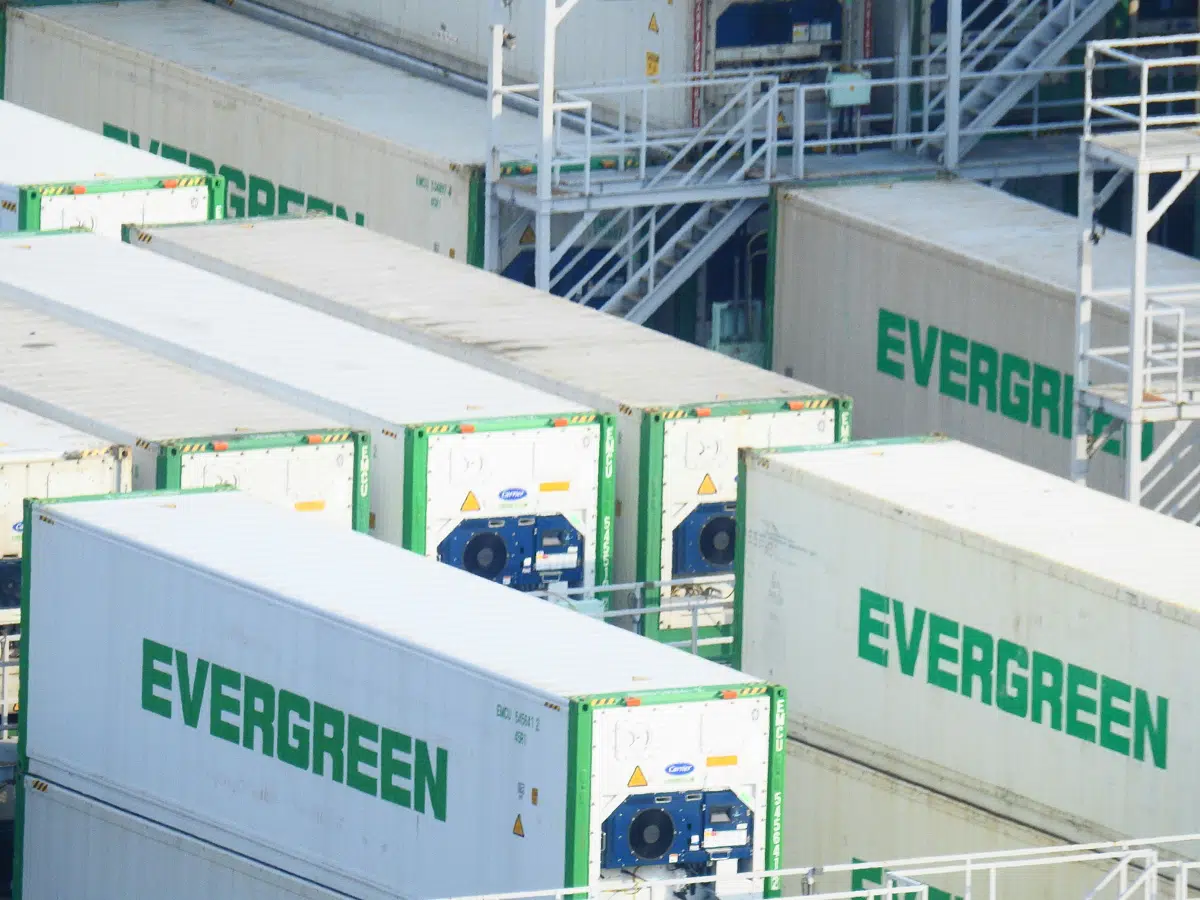
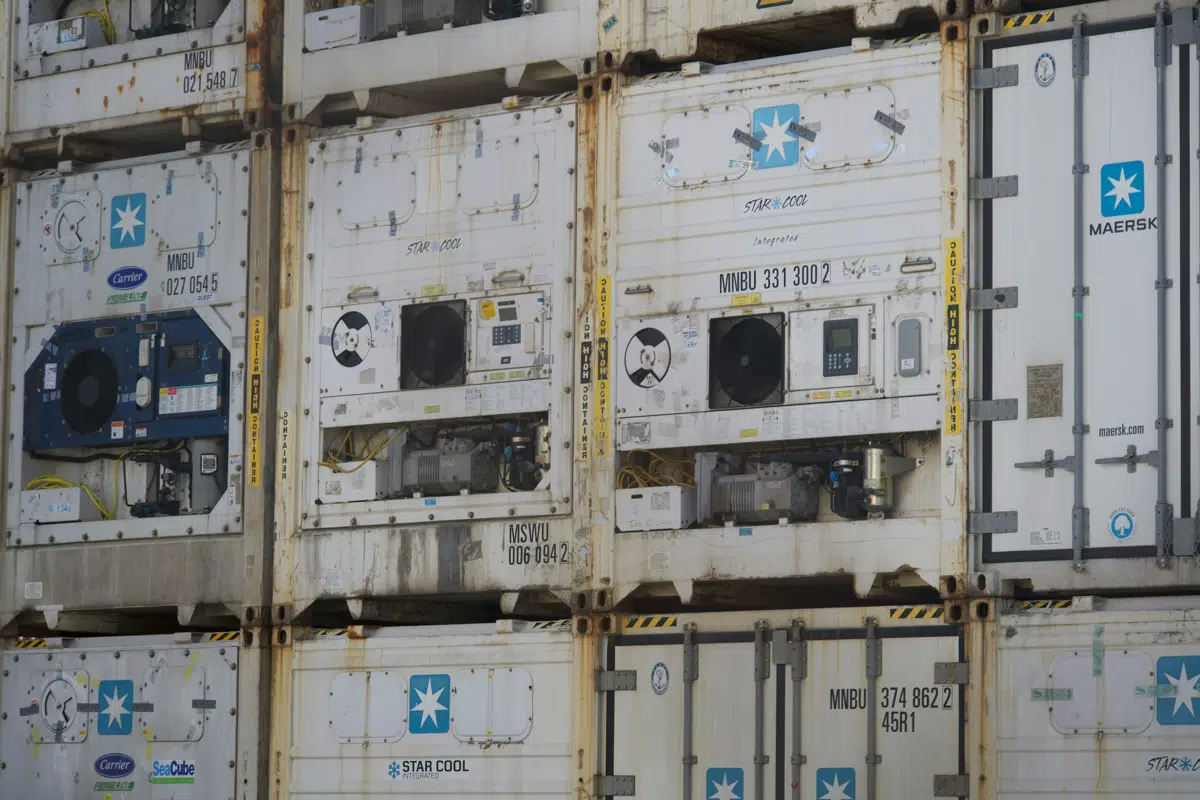
Reefer & Cold-Chain Shipments
Set-point reefer containers from Canadian ports to any major Chinese port, with the temperature record and documentation that turn arrival into acceptance.
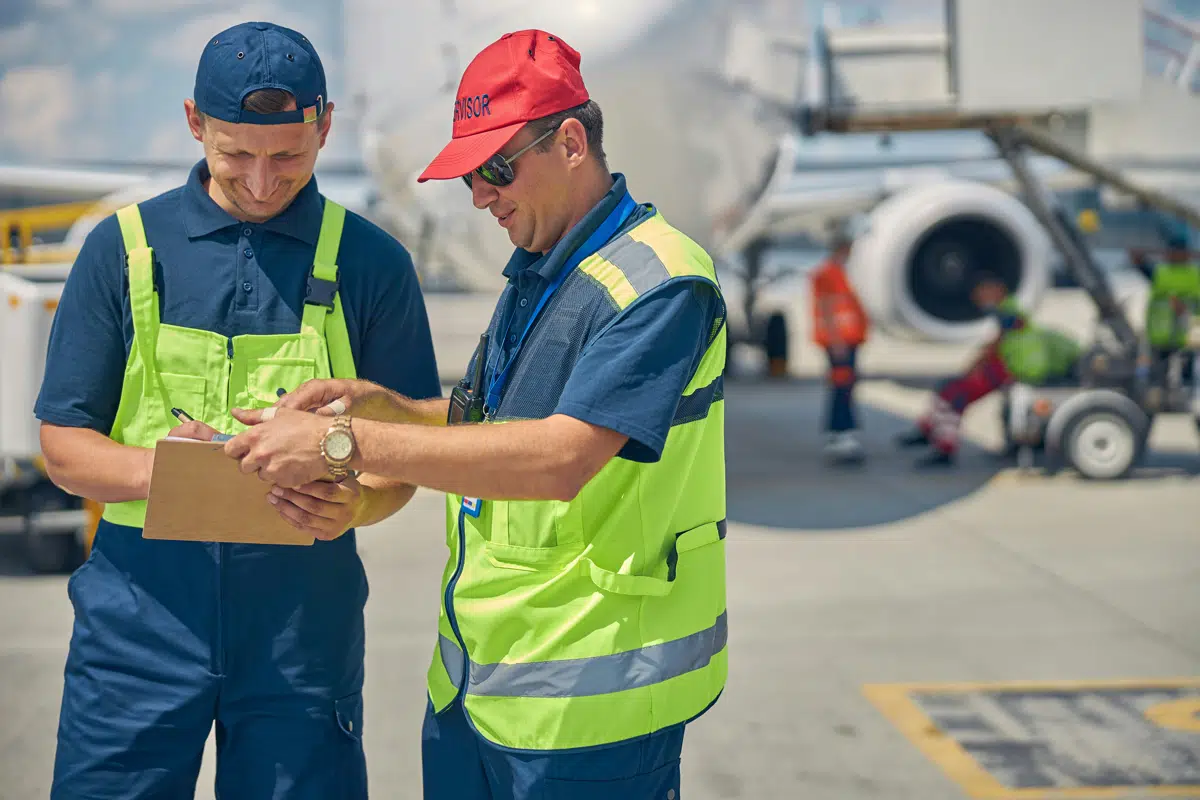
Live Seafood & Air Freight
Live lobster, crab and geoduck through Canada's air gateways into China, timed to festival demand peaks, with harvest planned back from the flight.
Featured guides from the blog
Dock to Chinese port: the reefer journey
What actually happens to your container between a Canadian wharf and a Chinese cold store.
Dock to Chinese port: the reefer journeyReefer vs live: choosing your lane
Frozen by sea or live by air: how to pick the lane that nets you more.
Reefer vs live: choosing your laneKeeping the cold chain unbroken
Why an unbroken, documented cold chain decides whether a frozen load is accepted.
Keeping the cold chain unbrokenWhich lane nets you more?
We route product to the lane that maximizes your net, and show the math.