Why China buys it
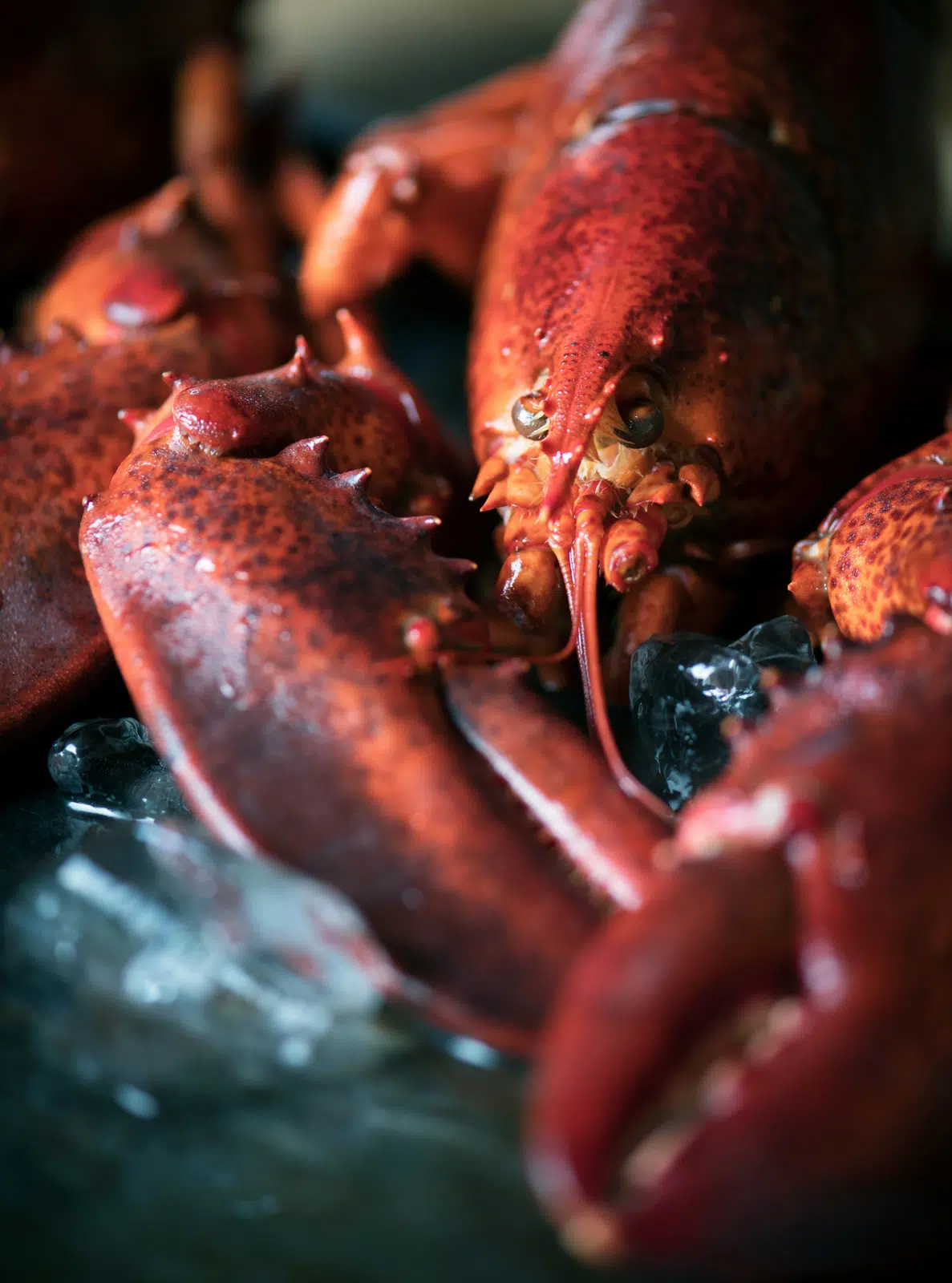
Live Atlantic lobster is one of Canada's top exports to China by value. In China's banquet and gifting culture, a lobster that arrives alive and vigorous is the ultimate freshness signal, and it commands a substantial premium over frozen. Demand peaks hard around Chinese New Year and Mid-Autumn Festival.
In China, Homarus americanus is a status ingredient. It anchors wedding banquets, business dinners and holiday tables, and it moves through live-tank seafood restaurants, high-end hotel kitchens, supermarket live tanks and the fresh e-commerce platforms that deliver premium seafood to urban households. The animal is usually bought whole and cooked whole, because presenting the complete lobster at the table is part of the point.
That culture shapes what sells. Live product commands the top of the market; a vigorous, hard-shell lobster in the tank outsells frozen alternatives in any premium setting. Buyers structure prices by size tier, and larger banquet-grade animals sit in their own bracket.
Demand is strongly seasonal. Chinese New Year is the single biggest buying window of the year, with Mid-Autumn Festival and the October Golden Week close behind. Buyers begin positioning inventory weeks ahead of each festival, which is when a Canadian lobster export program with reliable supply becomes most valuable. With China's 25% tariff on Canadian aquatic products suspended as of March 1, 2026 (with the suspension running to the end of 2026), Canadian lobster is competing on quality again rather than on a tariff handicap.
Read the harvester's guide to exporting live lobster →
Product file
| Species | Homarus americanus |
|---|---|
| Source | Atlantic (NS, NB, PEI, NL, QC) |
| Season | Spring & fall (varies by LFA) |
| Forms | Live |
| Ship method | Live-hold + air freight |
Buyer spec
What buyers pay a premium for
A live shipment is graded twice: once at your dock and again, in effect, when the box is opened in China. The buyer pays for what arrives alive and strong, so everything below is really about survivability and presentation.
- Vigour above all. Strong, active animals grade highest. A weak or dead arrival is not a discount, it is a loss, so buyers pay up for shippers whose lobster consistently lands lively.
- Hard shell and meat fill. Hard-shell lobster with good blood protein and meat fill travels better and eats better, and the market prices it accordingly.
- Size grading to the buyer's tiers. Chinese buyers work in defined size brackets. A uniform lot graded to the agreed tiers beats a larger mixed lot every time.
- Packing discipline. Insulated boxes, correct chill, moisture control and oxygen support, packed to a spec the buyer has already approved.
- Shipping-window reliability. Festival demand rewards suppliers who can commit to a date and hit it. Harvest, holding and flight bookings all get planned backwards from the arrival window.
Logistics
From your dock to China
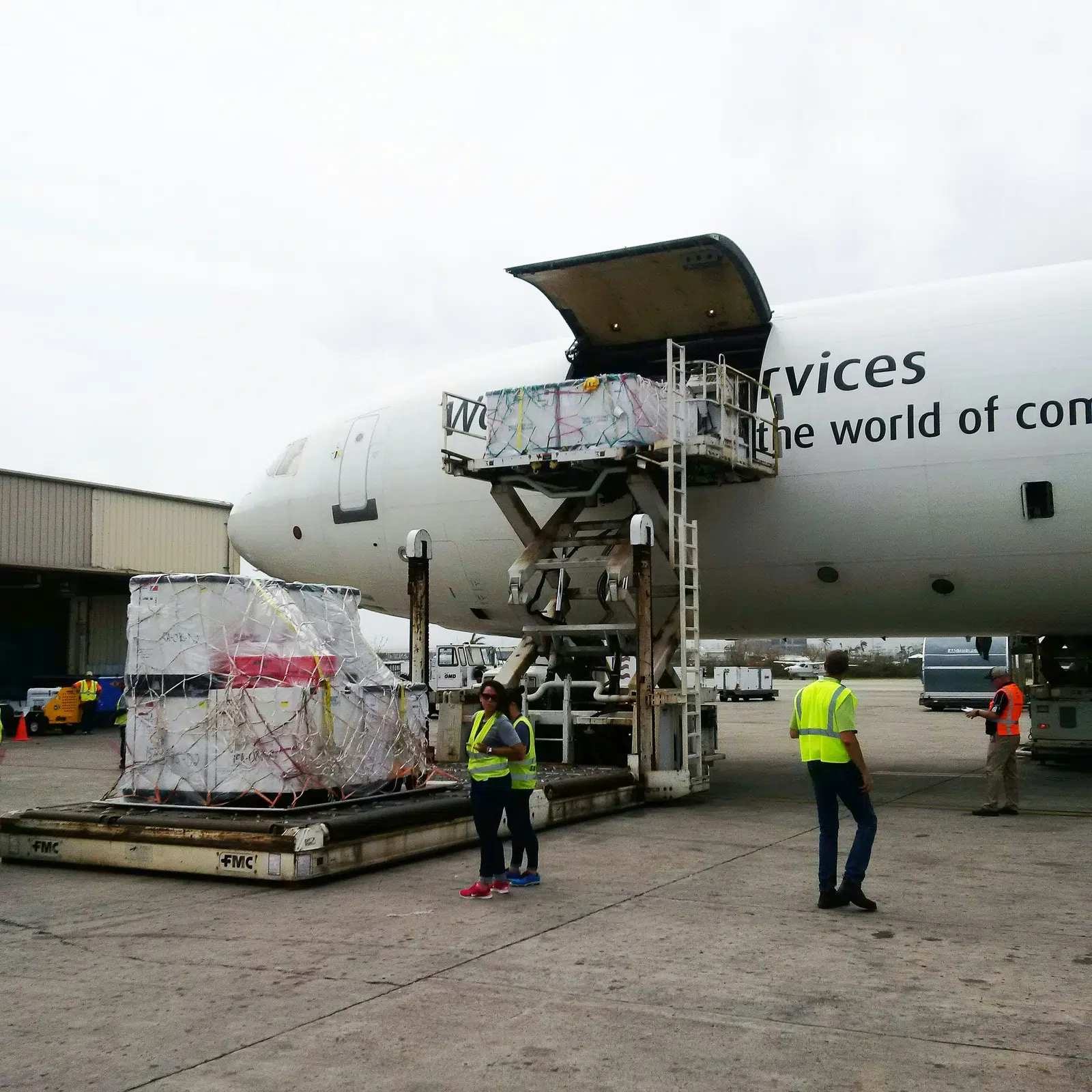
Live lobster runs on the air lane. From your wharf, product moves into a live-hold facility, is graded and packed to the buyer's spec, then trucks to an international air gateway (Halifax, Moncton, Montreal or Toronto, depending on where you land) for a booked flight into a Chinese hub, where the buyer's team clears it and moves it straight into distribution. The whole chain is planned to the hour, because time out of water is the enemy.
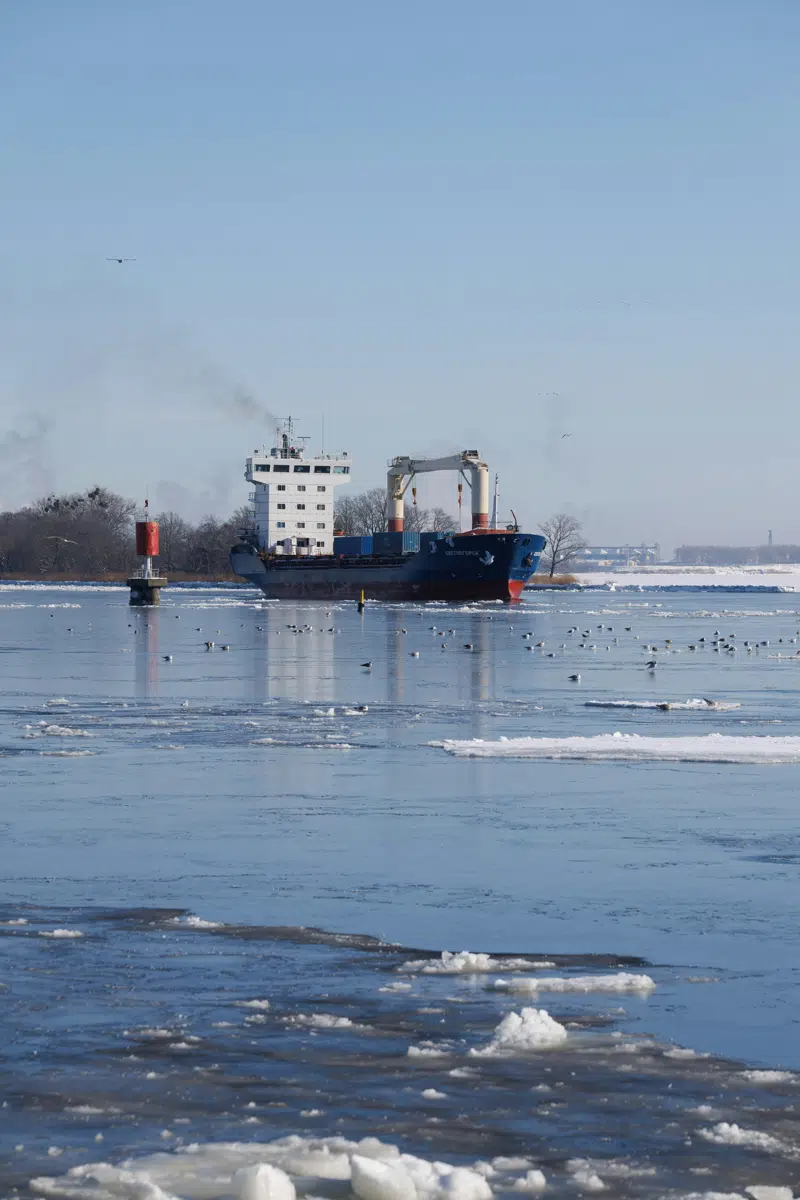
Frozen lobster products, where a deal calls for them, ride the reefer lane instead: a temperature-controlled ocean container that can be delivered to any major Chinese port the buyer operates from. Either way, the routing decision is made with the buyer before harvest, not after.
The brokerage
How we handle it
You land and band; we run the export. As a seafood export broker in Canada, our job is to remove the two things that stop most harvesters from selling into China: finding a real buyer and carrying the payment risk.
- We bring the buyer: a vetted, container-scale purchaser of Canadian seafood, so you are not cold-calling importers or gambling on a name from a trade site.
- Payment is secured before your lobster leaves the dock. You are never chasing an invoice across the Pacific.
- Our commission is success-based. If your product does not sell and ship, you owe nothing.
- If your volume alone is too small for a program, we aggregate compatible supply so smaller harvesters can participate on the same terms.
- We navigate the CFIA and GACC pathway with you: aquatic products are high-risk under GACC, so your establishment must be recommended by CFIA through CIFER, and export certificates come from CFIA. We coordinate that pathway; the agencies issue the approvals.
Go deeper
Guides for live lobster shippers
The harvester's guide to exporting live lobster to China
The full lane, from banding at the wharf to a live tank in China.
The harvester's guide to exporting live lobster to ChinaHow Chinese festivals move seafood prices
Why the calendar matters as much as the catch.
How Chinese festivals move seafood pricesShipping live lobster and geoduck to China
What survivability-first logistics actually look like.
Shipping live lobster and geoduck to ChinaRelated species
Landing lobster this season? Get a China price read.
Tell us your LFA, your typical grades and your volumes. We will walk them against real China demand, with nothing owed unless your product sells and ships.